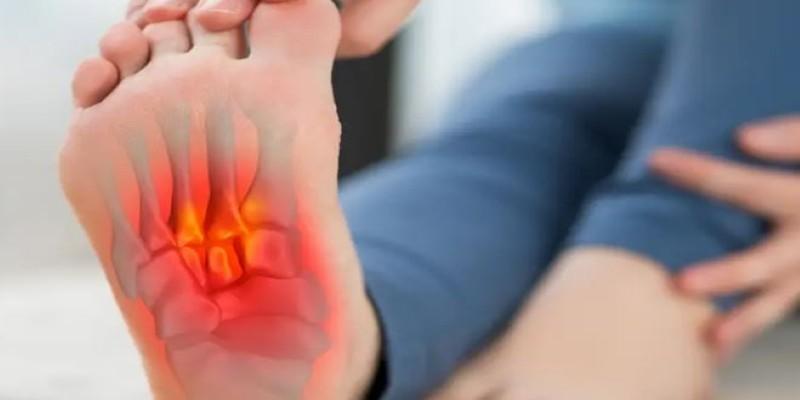
Plantar fasciitis is one of the most common sources of heel pain seen in outpatient clinics. It affects the thick band of tissue that supports the arch of the foot. Irritation develops gradually and often goes unnoticed until daily movement becomes uncomfortable. Many cases appear in adults with prolonged standing routines or repetitive strain. Diagnosis often occurs after persistent morning pain or discomfort following rest, which leads patients to seek clinical evaluation and relief options.
How Plantar Fasciitis Develops in the Foot?
The plantar fascia is a dense band of tissue stretching along the bottom of the foot, linking the heel to the toes and helping the arch stay stable with each step. Plantar fasciitis usually begins quietly. There is often no single moment of injury. Instead, the tissue is exposed to repeated strain day after day until tiny areas of damage start to build. Once that cycle begins, the heel becomes irritated, and pain starts to settle in near the point where the fascia attaches to the bone.
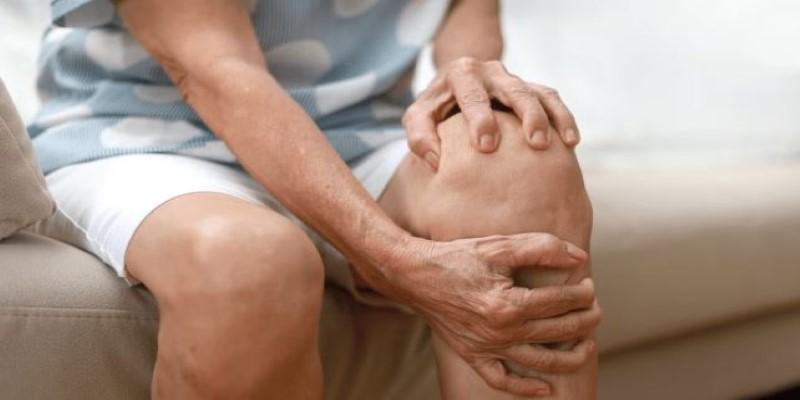
Several factors can make that strain worse. Foot shape matters. A very flat foot can let the arch collapse too much, while a high arch may place pressure on a smaller surface area. Both patterns can overload the fascia. Footwear matters just as much. Shoes with poor cushioning or weak arch support leave the heel absorbing more impact than it should, especially during long hours on tile, concrete, or other unforgiving floors.
Calf tightness is another common part of the picture. When the ankle does not move freely, extra pull shifts down into the foot. Added body weight can increase that stress further. Early symptoms are easy to brush aside, so many cases reach the clinic only after the pain starts affecting work, exercise, or even the first steps out of bed each morning.
Common Symptom Patterns in Plantar Fasciitis
A classic pattern appears early in the day. Heel pain tends to strike during the first few steps after getting out of bed, then ease once the foot loosens up. That brief improvement can be misleading. After long periods of standing, climbing stairs, or sitting through a work shift, the discomfort often returns and feels sharper than before.
During an exam, the pain is usually centered near the inner part of the heel. Pressing on that area often reproduces the symptom immediately. Some patients shift weight away from the sore foot without noticing, and that small change in gait can place extra stress on the ankle, knee, or opposite side. Visible swelling is often absent, so the condition may seem less serious than it feels.
The symptom pattern is not identical in every case. Some describe a dull, persistent ache that builds by late afternoon. Others report sudden stabbing pain after exercise. In running clinics, this often appears after mileage increases or repeated hill work. Imaging is not routine, though ultrasound or MRI may help in stubborn cases, especially when stress fracture, nerve irritation, or heel fat pad problems remain part of the differential diagnosis.
Approaches to Treatment and Recovery
Treatment aims to calm irritation and take pressure off the plantar fascia while the tissue repairs. Most care starts with practical load management rather than strict rest. In clinics, a common plan at home includes trimming back long standing blocks, breaking shifts into shorter bouts, and swapping high-impact workouts for cycling or pool sessions until morning pain settles.
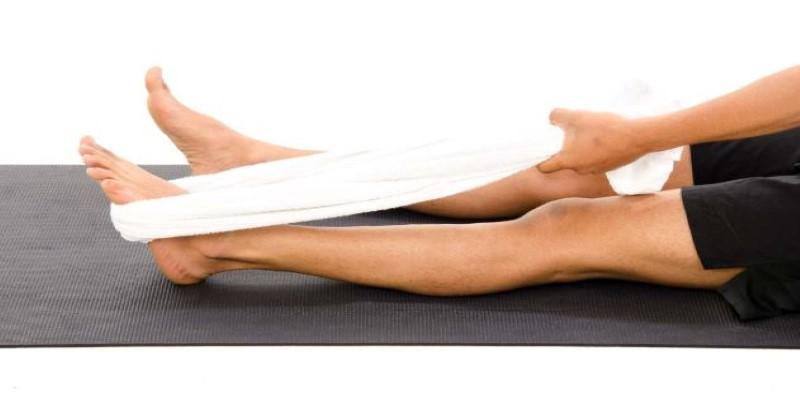
Targeted stretching is usually paired with strengthening. Calf tightness and limited ankle motion often keep the fascia under constant pull, so therapists teach slow wall stretches, towel stretches before the first steps of the day, and controlled heel-lowering drills. Technique matters. Overstretching can flare symptoms, and inconsistent practice is a frequent reason progress stalls.
Footwear changes can make the day-to-day difference. Supportive shoes with a firm heel counter and adequate arch support reduce strain during walking. Many podiatry visits include a trial of prefabricated inserts, with custom orthotics reserved for persistent cases or marked arch issues. Cost, fit, and break-in discomfort can affect follow-through.
Pain control supports activity, not the other way around. Short courses of anti-inflammatory medication may be used when appropriate, while icing after activity and rolling the sole over a chilled bottle can quiet soreness. If symptoms linger despite several months of structured care, options may include a carefully placed steroid injection, mindful of rupture risk, or, rarely, surgical release followed by guided rehabilitation.
Prevention and Long-Term Foot Health
Preventing recurrence depends on daily choices and on realistic conditioning plans. Many flare-ups begin after a sudden jump in mileage, a new job with longer standing hours, or a return to sport after time off. Clinics often recommend small, scheduled increases in activity, logged week by week, so tissue load rises without triggering heel pain.
Work surfaces matter. Anti-fatigue mats on concrete floors can lessen impact during long shifts and reduce end-of-day soreness. Some employers add floor mats at checkouts or nursing stations after repeated reports of foot pain and missed shifts, though mats require routine cleaning and replacement to stay effective.
Flexibility and strength support the arch. Rehab visits commonly include calf and Achilles stretching, plus foot-intrinsic exercises to improve control during push-off. Range-of-motion checks at follow-up help detect lingering ankle stiffness that can keep stress on the fascia. Body weight can influence symptoms, and even modest reductions may lower heel pressure.
When weight is a factor, referrals to nutrition services sometimes improve adherence, yet progress can be slow during stress, shift work, or medication changes. Clear education reduces setbacks. Patients often stop drills once pain eases, then relapse weeks later. Written home plans and brief reassessments keep expectations realistic and prevent repeat clinic visits. Consistency remains the limiter.
Conclusion
Plantar fasciitis develops gradually and often reflects repeated strain rather than sudden injury. Pain patterns, especially during early morning movement, guide diagnosis in clinical settings. Treatment relies on consistent care, including stretching, footwear changes, and activity adjustments. Delayed attention can extend recovery time and complicate management. Long-term relief depends on maintaining flexibility, reducing strain, and following structured guidance provided during medical evaluation and rehabilitation programs.