Bigger lives are often treated like progress. More rooms, more storage, more furniture, more monthly bills trailing behind it all. It looks stable from the outside; sometimes it is just expensive.
That is why downsizing keeps coming up when money gets tight—or even before that, when someone gets tired of feeding a setup that eats cash every month: a smaller home, a cheaper car, less stuff, fewer fixed costs. The idea sounds obvious. The reality is less clean.
Sometimes downsizing really does free up money fast; sometimes the savings get overstated, delayed, or canceled out by bad decisions made in a rush. So the useful question is not whether smaller looks smart. It is whether it actually improves your finances.
The Real Win Is Not Less Stuff—It Is Lower Fixed Costs
The biggest financial benefit of downsizing is usually not the yard sale money or the nice feeling of owning less. It is the monthly drag getting lighter. Rent or mortgage, utilities, insurance, property tax, fuel, storage fees, repair bills — those are the costs that keep showing up, whether the month is easy or not. They do not care.
That is why a smaller house can matter more than a hundred small saving tricks. One less room to cool, less space to furnish, a cheaper place to insure, and lower upkeep. The same goes for a cheaper car or for cutting services that have become automatic. Recurring costs decide a lot—more than people like to admit.
And this is where people mess it up. They try to “simplify” by buying new bins, furniture, organizers, and systems. Suddenly, downsizing becomes a shopping project. That misses the point. It only helps when the bills shrink and stay smaller after the excitement wears off.
Bigger Lives Usually Leak Money In Quiet Ways
Large lifestyles rarely drain money in one obvious hit. It is usually a trail. A bigger place needs more furniture, more lights, more cleaning stuff, more décor, more repairs, and more things bought because space starts to look like a problem to solve. The spending follows the setup. Quietly, but constantly.
The same thing happens outside housing. A bigger car can mean higher insurance, more fuel, pricier tires, and costlier repairs. A fuller wardrobe asks for more upkeep. More gadgets mean more accessories, replacements, and upgrades. Even social life shifts around scale and appearances. People start spending to match what they already own. That part gets normalized fast.
So the main purchase is only half the story; the rest comes later in pieces small enough to defend. That is why downsizing can work. It cuts the tail, not just the headline expense. But only if you notice the habits the larger life trained into you. Otherwise, the leak just moves.
Cash Flow Changes First; Peace Of Mind Comes Right After
When downsizing works, the first thing it changes is not your identity or your values. It changes the monthly math. Lower fixed costs make the budget less brittle, which matters more than people think. A random bill still hurts, sure, but it stops feeling like one surprise could knock the whole month sideways.
That extra room can go somewhere useful. Emergency savings stop being theoretical. Debt payments become less chaotic. A slow work month, school expense, medical bill, or travel cost can be absorbed without reaching for a credit card quite so fast. The pressure drops before the balance sheet looks dramatic. Still, it drops.
And that matters because bad financial decisions are often made under strain. People borrow badly, delay bills, sell things too cheaply, or keep toxic jobs because the monthly setup is too heavy to carry. More income is not always the first fix. Sometimes the smarter move is to take on smaller obligations.
Downsizing Does Not Automatically Save You — Bad Moves Still Count
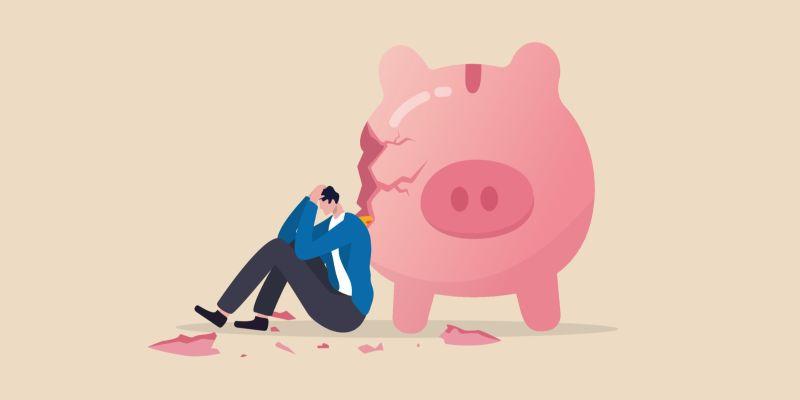
Downsizing can help, but it is not magic, and people sometimes talk about it as if the savings arrive the minute a decision is made. They do not. Moving costs money. Selling under pressure costs money. Fixing a place just to list it costs money, too. A rushed “fresh start” can get expensive very fast.
And smaller is not always cheaper in the full sense. A lower rent in the wrong area may mean longer drives, more fuel, more takeout, and more time lost. A cheaper home can come with repairs that eat the difference. Even a smaller car can backfire if it cannot do the job you actually need done.
Then there is the fake version of downsizing—paying for storage forever, rebuying things in compact form, turning simplicity into another spending category. That is not a reset. It is just the cost moved around. The only version that helps your finances is the one in which the total cost drops while daily life still functions.
What Should Actually Be Downsized First? Start Where The Bills Stick
People often start with visible clutter because it is easier to attack. But clutter is not always the real problem. Start where the bills are stubborn. Housing comes first if it is too large or too costly relative to what it provides. Then vehicles, recurring services, financed habits, and anything else that keeps charging you every month.
That is the useful filter: what keeps costing money after the purchase is forgotten? Extra rooms, second cars, unused subscriptions, paid storage, duplicate tools, and convenience services that quietly became permanent. Those things matter more than random objects sitting on a shelf. They keep taking a bite—month after month.
And the fix does not have to look dramatic. Sometimes downsizing means moving. Sometimes it means one car instead of two, one streaming stack instead of five, one realistic lifestyle instead of a bloated one. Start with the expenses that lock you in. That is where the real relief usually sits.
The Better Question Is Not “Can You Live With Less?”
That question sounds brave, but it is slightly wrong. The better question is whether the current scale of your life is worth what it costs you. Is the extra room used enough to justify the rent, tax, heat, furniture, and upkeep? Is the second car solving a real problem—or just sitting there insured?
The same goes for closets, gadgets, furniture, subscriptions, all of it. Plenty of things feel normal once they are part of the setup. That does not mean they are earning their place. People get attached to size because it looks like security, status, or completion. Sometimes it is only overbearing to wear better clothes.
So downsizing is not a moral test. It is a trade. Maybe less space, less variety, less show. But maybe more savings, more control, and fewer ugly decisions made at the end of a tight month. Not everyone needs smaller things. Still, a lot of people are paying hard for a scale they no longer need.
Smaller Can Be A Financial Upgrade
Downsizing is not noble, and it is not always pleasant. Sometimes it feels like giving something up before you are ready. But money does not care much about pride. If the current version of life is too expensive to hold together, smaller can be a correction rather than a loss.
That is the part people miss. The gain is not just lower spending on paper. It is flexibility—less income eaten up by housing, transport, upkeep, and all the smaller costs that come with a bigger setup. Less pressure. Fewer forced choices.
And no, downsizing will not fix every financial problem on its own. But when stress is tied to scale, it can do something fast that budgeting alone often cannot: make the whole structure lighter to carry. Sometimes that is the real upgrade.