Fukuoka often surprises first-time visitors. The city moves at a calmer pace than Tokyo or Osaka, yet daily life feels lively and organized. Hakata Station connects quickly to the airport, which means arrival stress stays low compared with other large cities in Japan. Streets mix business districts, quiet temples, and waterfront areas within a short distance. Many travelers arrive expecting a short stop, then realize the city offers more variety than expected. This Fukuoka travel guide highlights practical places that help newcomers settle in quickly and avoid the common planning mistakes that come with a first visit.
Best Things to Do in Fukuoka for First-Time Visitors
Ohori Park for a Grounded Start
Ohori Park offers an easy way to settle into Fukuoka after arrival. The lake sits at the center of a circular walking path stretching roughly two kilometers, wide enough for both walkers and morning runners. Early hours feel calm, with residents moving through their routines and cafés slowly opening along nearby streets.
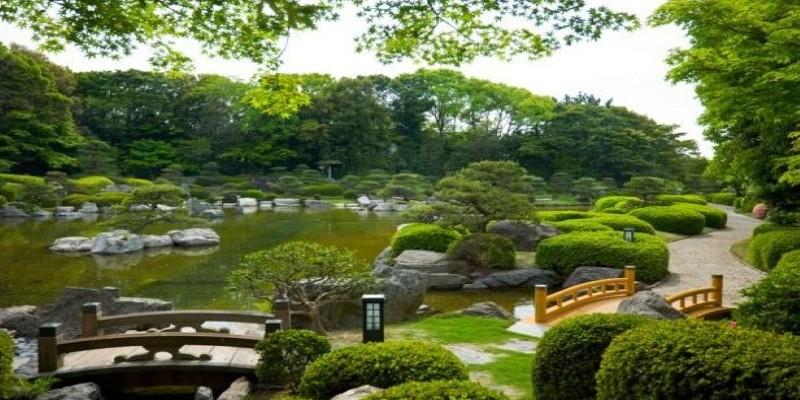
Spring brings rows of cherry blossoms that reflect across the water, which draws weekend crowds and picnic groups. A morning visit keeps the atmosphere quieter. Bicycle rentals are available near the entrance, though instructions often appear only in Japanese, so a translation app can smooth the process.
Kushida Shrine and Hakata’s Cultural Core
Kushida Shrine gives Hakata a sense of continuity. Tucked into the old part of the city, it feels close to daily life rather than sealed off as a landmark. In July, it becomes the center of the Hakata Gion Yamakasa festival, one of Fukuoka’s most famous annual events.
Outside festival season, ornate floats still stand on display, adding color and scale to a short visit. Its location near the shopping arcades makes it an easy point of reference when the streets begin to blur during a busy afternoon in Hakata.
Canal City Hakata Beyond Shopping
Canal City Hakata often appears on maps as a shopping mall, yet the complex works more like an entertainment district inside one structure. A canal runs through the center, surrounded by shops, restaurants, and theaters. Fountain shows happen several times during the day and draw steady crowds. Rainy days push many travelers into indoor spaces, which makes Canal City particularly useful during wet weather.
The ramen floor gathers several regional noodle shops in one place. Lines form quickly at dinner time, though mid-afternoon visits usually move faster. Prices inside the complex tend to run higher than small neighborhood restaurants, so balancing one meal here with local eateries helps control travel costs.
Yatai Food Stalls After Sunset
Yatai food stalls form one of the most recognizable scenes in Fukuoka. These small outdoor kitchens appear in the evening along parts of Tenjin and Nakasu. Each stall holds only a few seats, often arranged around a narrow counter. Popular dishes include Hakata ramen, grilled skewers, and simple side plates. Seating space fills quickly after sunset.
Arriving early in the evening improves the chance of finding an open seat without waiting. Cash remains common, though some stalls accept cards or mobile payments. Solo travelers usually find seating faster than larger groups. The atmosphere stays casual and relaxed, making it an easy introduction to local street food culture.
Fukuoka Tower and Seaside Momochi
Fukuoka Tower stands along the waterfront in the Momochi district. The observation deck provides wide views across Hakata Bay and the city skyline. Clear weather makes the experience far more rewarding, so checking visibility before visiting helps avoid disappointment.
The nearby seaside area offers walking paths and open space. Many visitors combine the tower visit with a slow stroll along the beach. Public buses connect the district to central areas, though schedules become less frequent late at night. Evening visits often feel more comfortable during warmer months. Daytime heat near the waterfront can feel strong during summer.
Tenjin for Urban Rhythm
Tenjin serves as the commercial heart of Fukuoka. Department stores, underground shopping passages, and independent boutiques gather across a compact district. The Tenjin Chikagai underground mall connects many buildings and protects pedestrians from heavy rain or strong sun. Walking distances between stores can feel longer than expected. Planning short breaks helps avoid fatigue during busy shopping days.
Restaurants inside department stores often provide reliable meals without long searches through unfamiliar streets. Weekday mornings usually stay calmer than weekend afternoons. Visitors with limited time often schedule Tenjin visits earlier in the day, before the evening dining crowds arrive.
Dazaifu for a Half-Day Escape
Dazaifu makes a good break from the city without turning into a full travel day. The train ride is short, but the mood shifts quickly once you arrive. Streets feel slower, and the walk up to Dazaifu Tenmangu has a steady flow of snack shops, souvenir stalls, and visitors stopping for photos.
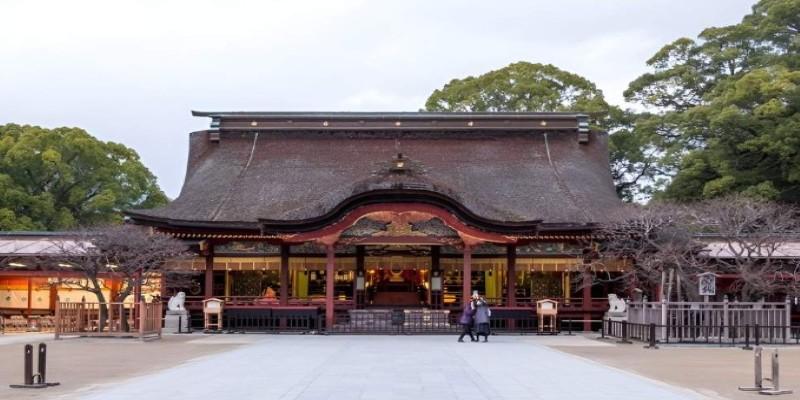
Umegae mochi is worth trying while it is still warm, with its lightly crisp surface and sweet filling inside. The shrine grounds are easy to cover in one visit, and the pace suits a relaxed afternoon. Check the train schedule before heading back.
Hakata Station as a Hub
Hakata Station is more than a place to catch a train; it is often the point where a trip to Fukuoka starts to feel easy. Subway lines, local rail, and the Shinkansen all meet here, so getting around stays simple even on a short visit. Early arrivals can store bags in station lockers and start sightseeing right away.
Inside, several floors hold restaurants, shops, and useful services. The rooftop garden gives a quiet break above the crowds. Clear multilingual signs make the station feel manageable, even during the busiest parts of the day.
Conclusion
Fukuoka rewards steady pacing. The city feels approachable, yet each district offers a different rhythm. Parks provide quiet space, temples carry historical depth, and street food scenes add everyday character. A few days allow enough time to visit major spots without rushing between trains and crowded attractions. Many travelers arrive with modest expectations and leave pleasantly surprised. The combination of waterfront scenery, cultural landmarks, and accessible neighborhoods makes the city an easy introduction to southern Japan.