Choosing your Antarctica trip style and season
The first real decision usually hits before you even pick a ship: are you trying to “see Antarctica,” or are you trying to do Antarctica. A classic 10–12 day Peninsula itinerary is the cleanest fit for limited vacation days, but it can feel like a sprint—two Drake Passage crossings, then you’re suddenly budgeting every hour between briefings, Zodiacs, and landings that weather can cancel without warning. Longer routes buy breathing room, yet they also raise the odds you’ll lose a day to sea conditions and still pay the same price.
Season matters more than most brochures admit. Early season (roughly November) tends to feel sharper and icier—great for dramatic landscapes and fewer crowds, but it’s not peak for whales. Mid-summer (December into January) is the “all-around” window: busy, brighter, and usually better for stacking wildlife with add-ons like kayaking. Later season (February into early March) often improves whale odds, but landings can skew muddier and some penguin scenes shift from cute to chaotic.
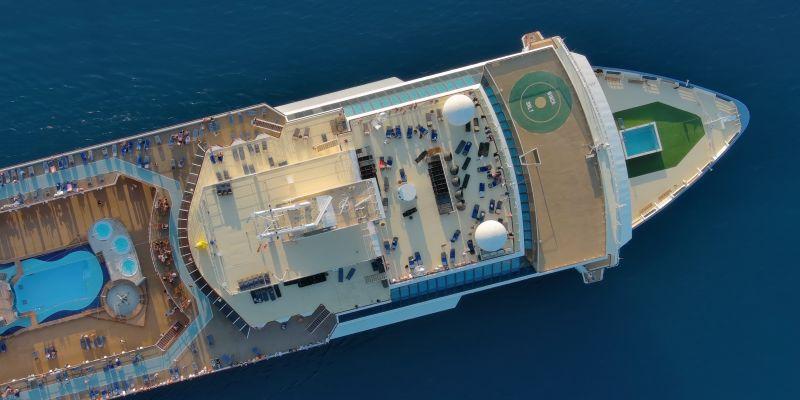
Then there’s ship style: larger ships can be smoother at sea and cheaper per day, but landing limits mean you may rotate in groups, trading time ashore for comfort. Smaller expedition ships cost more, yet they’re often more nimble with Zodiacs—useful when the schedule is tight and the conditions are not cooperating.
Wildlife hotspots: penguins, whales, seals, seabirds
I remember realizing—halfway through comparing itineraries—that “wildlife” isn’t one bucket. If you’re picturing fluffy penguin chicks, you’re essentially shopping for mid-summer (late December into January), when colonies are loud, crowded, and extremely photogenic—also when everyone else wants the same landing sites. The trade-off is time: those classic rookeries can mean longer Zodiac shuttles and more waiting your turn on shore, especially on bigger ships running rotations.
Whales are the other main driver, and the odds tend to tilt later (February into early March), when feeding activity can be excellent—but you’ll pay for it in flexibility. A day that turns into a “whale-heavy cruise” sounds dreamy until you realize it can replace a landing if wind or ice stacks up. If you only have 10–12 days, pick one primary goal (chicks vs whales) and treat the other as a bonus, not a promise.
Seals and seabirds are the quiet value-add because they’re less timing-dependent: Weddell seals on ice, skuas patrolling colonies, and albatrosses and giant petrels shadowing the ship on Drake days. The practical move is to ask how often the operator plans to reposition for wildlife sightings—great on paper, but it can compress an already packed day into something that feels like sprinting with a camera.
Adventure add-ons: kayaking, camping, polar plunge
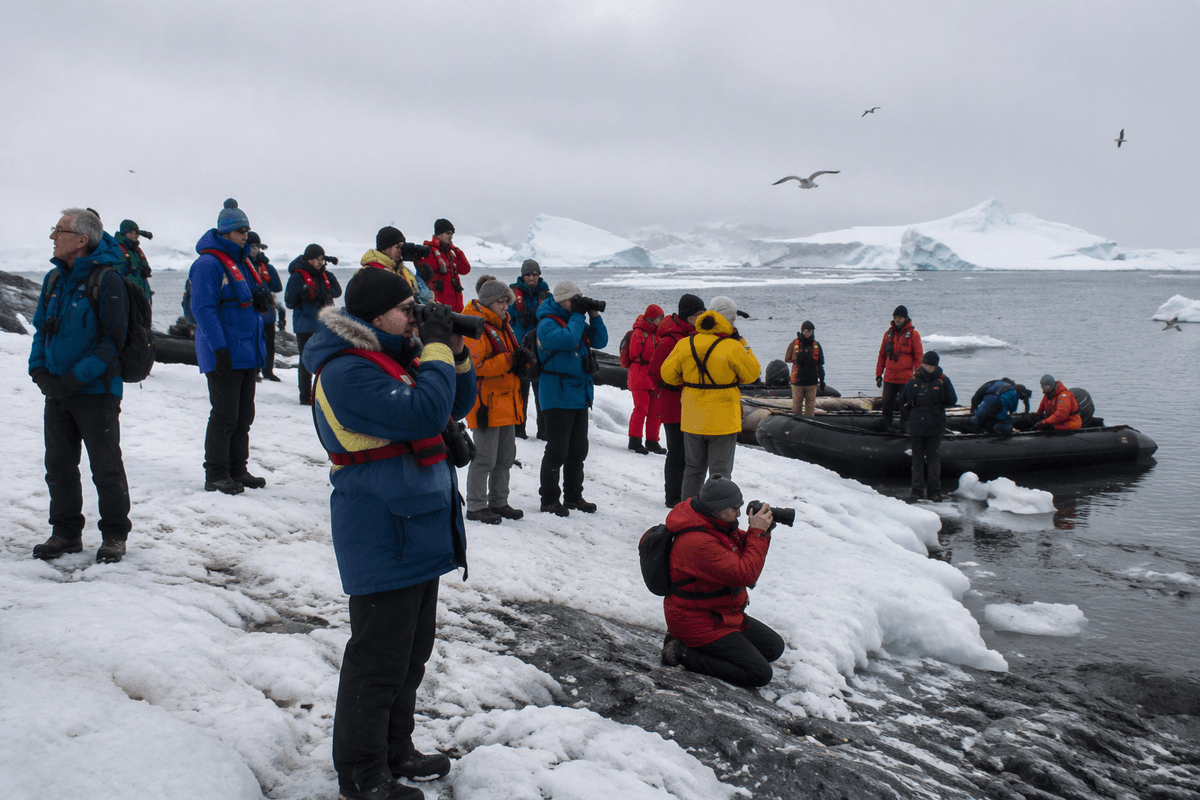
The first time you see “kayaking,” “camping,” and “polar plunge” on an itinerary grid, it’s tempting to treat them like checkboxes. In practice, they’re more like weather-dependent electives layered on top of an already tight landing schedule. On a 10–14 day trip, that matters: every add-on you book competes with something else you came for—often the unglamorous but high-yield time spent in Zodiacs scanning ice edges for wildlife.
Kayaking is the one I’d pay for first if you’re comfortable on cold water. When it runs, it can be the most immersive hour of the whole voyage—quiet, level with the waterline, and surprisingly good for photographing low-angle ice and seals. If wind picks up, it’s the first activity to get pulled, and you may lose a landing slot to suit up, brief, and wait your turn. Camping sounds iconic, but it’s an endurance trade: late-night logistics, cold sleep, and a next-day fatigue hit that can blunt the morning’s “best light” landing. The polar plunge is the cheapest story-per-dollar, but it’s brief, crowded, and more about timing and tolerance than adventure—do it if you’ll laugh even when it’s chaotic.
Route options: Peninsula, South Georgia, Weddell Sea
The route choice is where my neat 10–14 day plan started wobbling. On paper, “Antarctica” looks like one destination; in reality, it’s a menu of trade-offs that hits your vacation days first. If you only have two weeks and you want kayaking or camping to actually happen, you need an itinerary with enough buffer that a windy day doesn’t erase your one shot.
The classic Antarctic Peninsula trip is the efficiency play: you maximize landing attempts per day once you’re down there, and it’s the easiest way to keep the trip inside 10–12 days. The cost is the Drake Passage tax—two crossings that can eat comfort, sleep, and sometimes a chunk of your first and last “good” days. Still, if you’re prioritizing penguins plus a bit of adventure, the Peninsula is the most reliable route to stack experiences without turning the voyage into an endurance event.
South Georgia is the dream upgrade for wildlife density, but it’s almost never a “just add it” decision—it usually pushes you into longer itineraries and more open-ocean time. The Weddell Sea, meanwhile, is the high-variance bet: when ice and weather cooperate it can feel otherworldly, and when they don’t, you’ve paid in days for a plan B you may not love. If you’re time-limited, pick Peninsula as the anchor and only add complexity if you’re genuinely okay with fewer landings in exchange for a bigger swing.
Onboard strategy: landings, Zodiacs, photography prep
The first onboard decision that surprised me wasn’t “which landing?”—it was whether to treat every announcement like a sprint. If the expedition team says “possible landing, standby,” assume it can flip to a Zodiac cruise in ten minutes. The people who get the most out of a short Peninsula schedule are the ones who suit up early, keep their layers modular, and can be at the gangway fast without panicking. On bigger ships, rotations add another constraint: you may have a fixed window ashore, so lingering to “wait for better light” can quietly cost you the wildlife moment you came for.
Zodiac time is not dead time—it’s often where the best seal-on-ice and whale encounters happen—so I’d prioritize warmth and camera readiness over bringing everything. One body, one main lens (plus a pocketable backup if you’re nervous), a small dry bag, and gloves you can actually operate controls with. Batteries drain faster in the cold; keep spares inside your jacket, not in your pack. And listen hard at briefings: landing rules (boot wash, distance from wildlife, where you can kneel) change the shot more than your gear does.
Budget trade-offs and booking timeline
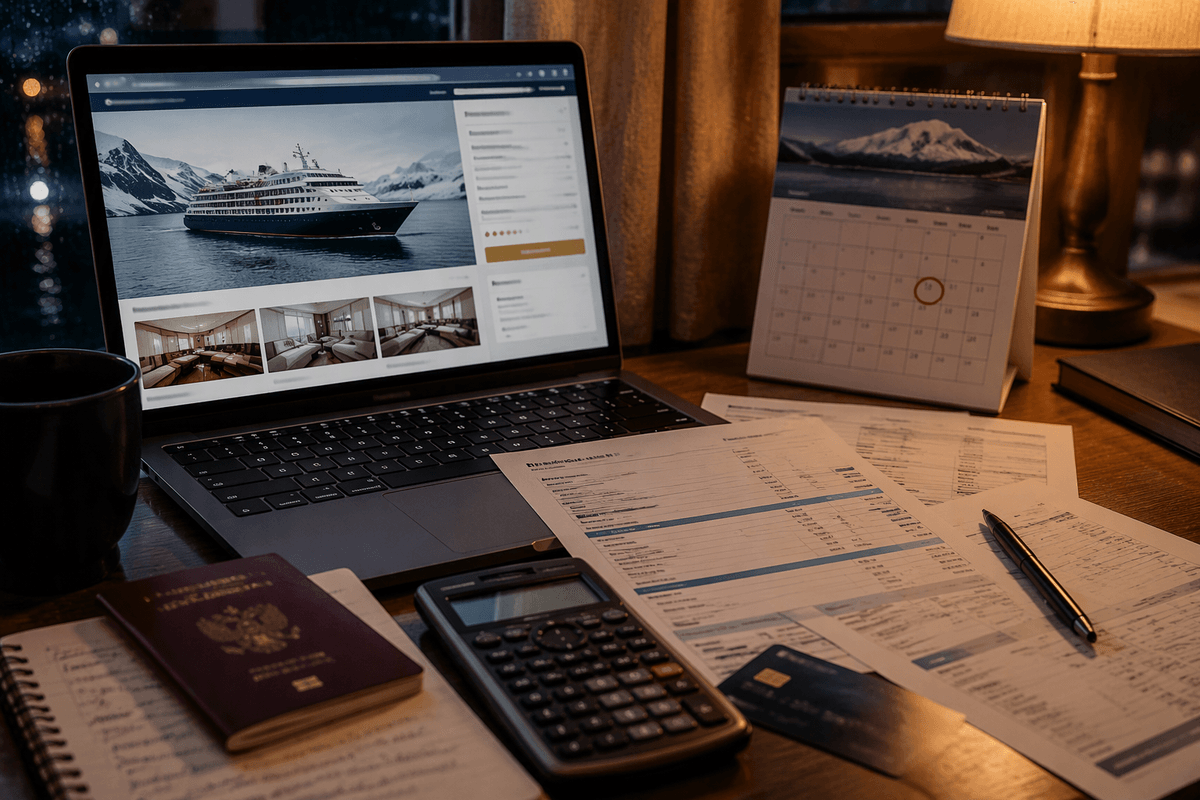
The first budget decision usually arrives in a quiet, annoying moment: you’ve found a 10–12 day Peninsula sailing that fits your calendar, and then you notice the “from” price isn’t really the price once you add a single-cabin supplement, pre/post hotel nights in Ushuaia, and the airfare that doesn’t line up cleanly with embarkation day. The cheapest-looking option often becomes the most expensive in lost sleep and extra nights—especially if your return flight forces a buffer day and you end up paying for a hotel you barely use.
Where I’d spend (and where I wouldn’t) is pretty consistent. Spend on a smaller expedition ship if landings are your priority; more rotations and stricter scheduling on larger ships can quietly reduce time ashore, which matters when you only have 10–14 days. Spend on one high-value add-on—usually kayaking—only if the operator runs multiple sessions, because weather can erase your one shot. I’d be cautious about paying a premium for a “longer route” that adds sea days without adding landing opportunities; open-ocean time is the easiest place for the itinerary to slip while the bill stays firm.
Booking-wise, the practical timeline is earlier than people expect: cabins, solo-friendly pricing, and popular activity slots tend to thin out first, not last. If you’re flexible on exact dates and can tolerate a less perfect cabin, you can sometimes benefit from late inventory—but only if you can also absorb the risk of limited add-ons and fewer choices in ship size.
Putting it together: the right mix of wild and wow
The moment it finally clicked for me was admitting that “all the things” is how you end up with a great brochure and a frantic day-to-day reality. For a first trip with limited vacation days, I’d anchor on a 10–12 day Peninsula sailing in late December through January if penguin colonies are your non-negotiable, or February into early March if whales are the main bet—then accept the other as a bonus.
From there, keep the plan clean: choose the smallest ship you can comfortably afford for more flexible landings, and book one add-on you’ll actually show up for (usually kayaking) only if it runs multiple sessions. Everything else—camping, longer routes, “guaranteed” highlights—should earn its place by not stealing too many landings when weather and the Drake inevitably start negotiating with your schedule.