Arranging a trip across Australia often involves layered logistics. Long domestic flights, regional transfers, and seasonal price swings can complicate a simple itinerary. An all-inclusive structure cuts those moving parts. Accommodation, meals, and curated activities fall under one rate, limiting surprise expenses and daily decisions. Australia has fewer bundled resorts than other regions, yet the options available are polished and carefully managed. Choosing the right property depends on season, location, and realistic expectations.
Best All-Inclusive Resorts in Australia for an Easy, Relaxing Holiday
Qualia, Hamilton Island, Queensland
Qualia occupies a quiet stretch on Hamilton Island in the Whitsundays. The resort runs on a premium all-inclusive model that covers dining, selected beverages, island transfers, and non-motorized water activities. In a region known for add-on charges, this bundled rate prevents daily tallying of expenses.
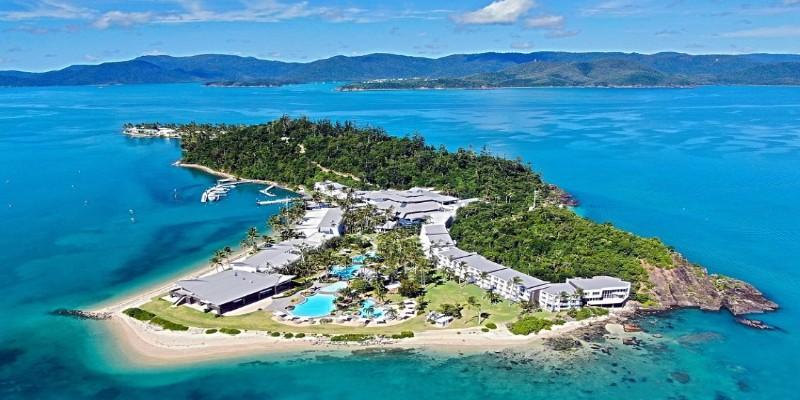
The Whitsundays experience strong booking surges between May and October. Sailing regattas and school breaks push availability tight. Staying at Qualia gives direct access to an in-house concierge team coordinating reef charters and scenic flights without separate vendor contracts. That reduces confusion if the weather shifts plans.
The property maintains an adults-focused atmosphere, which supports privacy but limits suitability for families with younger children. Rates climb during peak sailing season. Shoulder periods such as late April or early November often bring calmer conditions and better pricing, though water temperatures begin to cool slightly.
Lizard Island Resort, Great Barrier Reef
Lizard Island sits directly on the Great Barrier Reef, accessible by small aircraft from Cairns. The nightly rate typically includes gourmet meals, beverages, snorkeling equipment, dinghy hire, and guided reef outings. Transfers are arranged through the resort, solving the common disconnect between airline schedules and island arrivals.
Mainland reef tours often require early departures and crowded boats. Staying on Lizard Island removes that strain. Guests walk from their villa to quiet beaches with reef access nearby, without competing for space with day visitors. This approach controls spending in a region where marine park fees, boat trips, and equipment rentals add up quickly.
Still, seasonality matters. December through March brings heat, humidity, and storm risks. Stinger season affects swimming comfort in warmer months. Winter offers clearer skies and stable seas, though rates reflect high demand and limited room inventory.
InterContinental Hayman Island Resort
Hayman Island operates with flexible meal plan packages that function like an all-inclusive experience when bundled correctly. Many booking channels include dining credits and curated activities in one consolidated rate. This hybrid approach suits travelers seeking structure without feeling confined.
After major refurbishment, the resort expanded dining venues and refreshed accommodation categories. Transfers by boat or helicopter are coordinated centrally, addressing a frequent island travel issue where missed connections cause delays and added costs.
Hayman accommodates families and larger groups through spacious villas and lagoon-access rooms. Event bookings occasionally fill sections of the island, so checking event calendars helps avoid unexpected crowds. Demand peaks during Australian school holidays, and preferred room types sell out months in advance. Bundled packages often stabilize pricing compared to paying for meals individually on arrival.
Sal Salis Ningaloo Reef, Western Australia
Sal Salis offers a different interpretation of all-inclusive resorts Australia features. This eco-luxury tented camp stands within Cape Range National Park near Ningaloo Reef. Rates cover meals, guided snorkeling, and wildlife experiences in a remote coastal setting. Western Australia travel involves long distances. Exmouth requires extended flights or road journeys.
Once there, services remain limited. Staying in an inclusive camp removes the need for restaurant reservations or daily transport planning. Marine life defines the calendar. Whale shark season usually runs from March to July, drawing international interest. Humpback whales migrate later in the year. Booking around these cycles increases the likelihood of meaningful encounters.
Facilities remain intentionally simple to preserve the environment. Air conditioning is minimal. Travelers expecting multiple dining venues or poolside service may find the setup modest. The camp closes during extreme weather, so flexible travel dates reduce disappointment.
Orpheus Island Lodge, Queensland
Orpheus Island Lodge hosts a small number of guests on a private island between Cairns and Townsville. The all-inclusive rate includes chef-prepared meals, selected beverages, snorkeling trips, and helicopter transfers from the mainland.
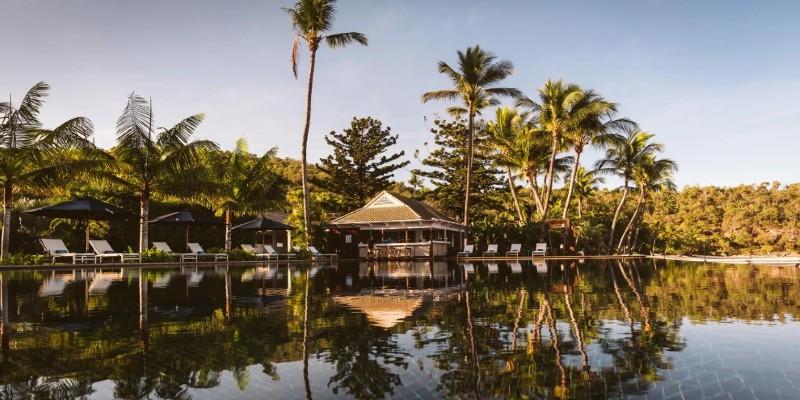
This setup suits travelers integrating a reef stay into a broader Australian itinerary. Coordinated transfers reduce idle time at regional airports, which can otherwise stretch a travel day. Staff arrange private beach picnics and guided marine outings without outsourcing to third parties, limiting scheduling confusion.
With limited rooms, shared spaces rarely feel crowded. Privacy remains consistent even at high occupancy. Pricing reflects helicopter logistics and remote supply deliveries. Shoulder seasons may offer slightly softer rates, though reef conditions and stinger patterns still influence comfort levels during warmer months.
Emirates One and Only Wolgan Valley, New South Wales
Set within a conservation reserve in the Blue Mountains, this inland retreat includes meals, guided experiences, and nature-based activities within a single rate. It appeals to travelers preferring cooler climates and open landscapes over tropical coasts.
Access from Sydney takes roughly three hours by road. Eliminating domestic flight connections simplifies planning after long-haul arrivals. Activities range from wildlife tracking to guided hikes across sandstone escarpments.
The setting creates a contained environment where dining and excursions occur on site. Winter nights become cold, and summer periods occasionally face bushfire-related road restrictions. Checking regional conditions before departure helps prevent last-minute route changes. For those seeking luxury resorts, Australia offers beyond the reef; this property delivers a different rhythm.
Conclusion
Australia’s size often means long flights, island transfers, and several bookings for a single trip. An all-inclusive resort simplifies that process by placing accommodation, meals, and activities under one management team. This setup reduces daily planning and avoids scattered charges across different providers. Reading package details still matters, since premium drinks, private excursions, or spa services may carry extra fees. Seasonal weather and regional flight schedules can affect island access. With the right timing and clear expectations, these resorts offer a steady, low-stress holiday experience.