Opening the door feels polite, then costs you
The knock comes when dinner’s on, kids are mid-meltdown, and the easiest thing feels like cracking the door to “be reasonable”. That small courtesy can be the moment the visit turns into a levy on goods, because once an enforcement agent is calmly inside, the conversation shifts from “can we sort a plan?” to “what’s available to take if we don’t?”. The cost isn’t just the debt; it’s the fees that are already running and the pressure of a timetable you didn’t choose.
Most people don’t invite them in on purpose. It happens through a half-open door while fetching ID, stepping back to get a letter, or letting them see the hallway “just for a minute”. If entry is classed as peaceful, it can be hard to unwind later, even if you only meant to talk. That’s when the realistic constraint hits: finding money fast is tougher than holding a boundary at the door.
Refusing entry isn’t a magic shield either. If a car is on the drive, a neighbour confirms you’re home, or the debt type has different powers, the agent may look for other ways to enforce, and the stress can spill into the next day. The aim here is to slow the moment down enough to check what you’re dealing with before the polite choice becomes an expensive one.
When they can enter without asking permission
Sometimes they don’t need an invitation, but it’s narrower than people assume. For most household debts like council tax, parking penalties and many CCJs, they generally have to rely on “peaceful entry” at a first visit: an unlocked door, being let in, or walking through without force. They can’t usually shove past, climb in, or break a lock just because you’re behind on payments.
The situations that change the balance are specific and easy to miss when you’re flustered. If it’s a magistrates’ court fine, or certain HMRC debts, forced entry can be allowed with the right authority. And if they’ve already been in before and you’ve signed a controlled goods agreement, the next visit can involve “re-entry” if you default, which is where the locksmith talk starts sounding less like a bluff.
In real life, the friction is that you may not know which category you’re in at the door. That’s why the paperwork matters more than the tone: ask what debt it is, what they’re enforcing under, and whether they’re claiming a power of forced entry.
Most of the time, ‘peaceful entry’ is the rule
So, in the everyday cases people actually see—council tax, most parking debts, and many CCJs—the visit usually hinges on the same thing: can they get in peacefully. That means through a normal door, without force, because it’s unlocked or because someone lets them cross the threshold. If the door stays shut and locked, “I’m here to talk” doesn’t automatically turn into a right to enter.
That’s why the pressure at the doorstep is part of the process. Once they’re inside, they can identify goods and push for a controlled goods agreement, and the bargaining power shifts fast. The constraint is timing: they’re there now, but any payment plan you agree to still has to fit your next payday, not their schedule.
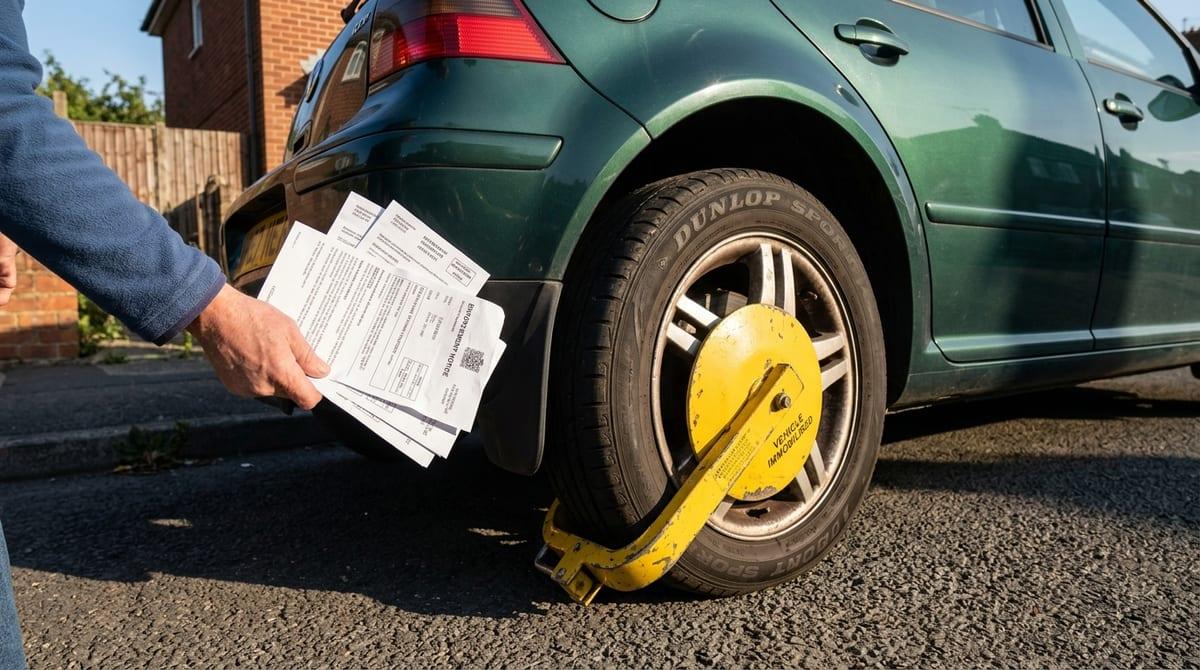
Even with no entry, enforcement can still move sideways—especially to a vehicle outside—so the calm move is to keep the boundary, verify the debt and warrant details, and negotiate in writing rather than in the hallway.
The reasonable choice that can backfire fast
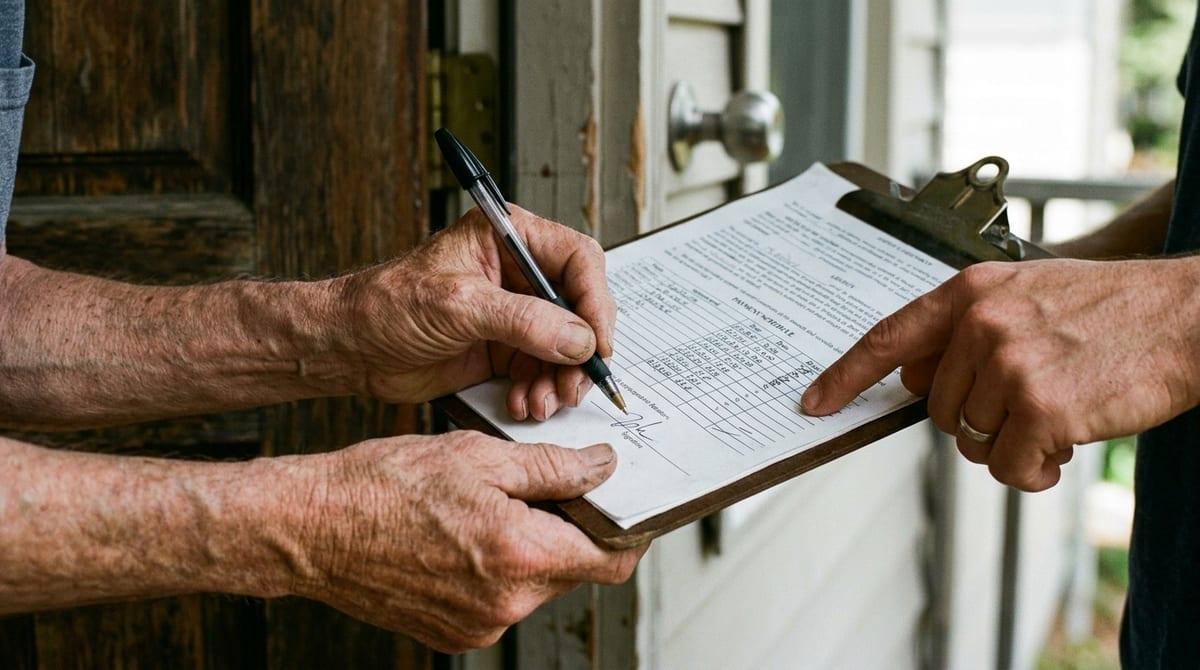
At the door, the “reasonable” move often looks like agreeing to something just to make the person go away. A quick promise to pay next week, a small card payment on the spot, even letting them in “so they can see you’re not hiding anything”. It feels practical in the moment, but it can lock you into a timetable that doesn’t match your rent date, benefits payment, or wages.
The fastest backfire is signing a controlled goods agreement without really taking in what it means. If the instalments are even slightly too high, a missed payment isn’t just awkward—it can open the way to a return visit with more fees, and potentially stronger options if they’ve already been inside before.
Another common slip is paying something without first checking the basics: whose debt it is, what address the warrant is for, and whether the amounts include added fees. People do it to show good faith, then spend weeks trying to untangle a mistake.
What to do at the door, step by step
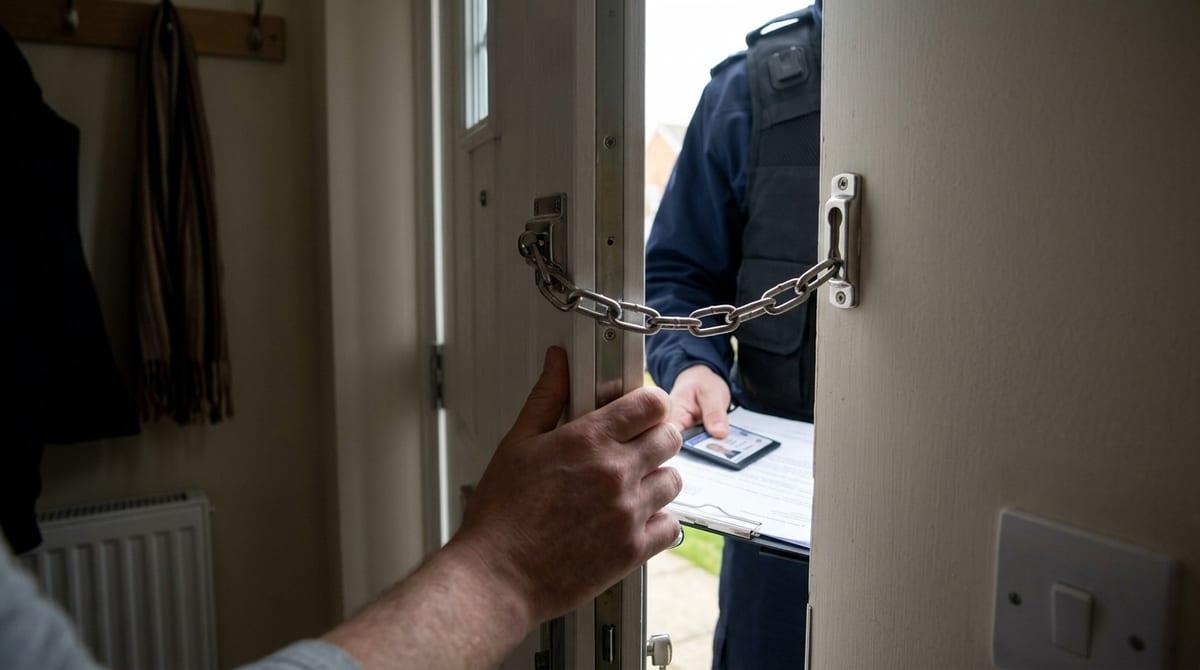
Keep the chain on or speak through a closed door. Ask for their name, company, and to see their ID and the notice/warrant paperwork held up to the window or posted through. Don’t argue about the backstory yet; just get the debt type (council tax, fine, parking, CCJ), the reference number, and the amount they say is due including fees. If anything doesn’t match your letters or address, say you need to verify it before discussing payment.
While they wait, take a photo of the paperwork, note the time, and move any vehicle off the drive if it’s safe and legal to do so. Don’t open the door to “grab something” and don’t step outside to talk if it risks them slipping past you. That one mistake is often the difference between a chat and a controlled goods agreement.
If it’s your debt and it’s accurate, offer a realistic payment proposal based on your next income date, not on-the-spot pressure. Ask for it in writing, and don’t sign anything you can’t keep even if a bill lands this week.
If they’re already inside or seized goods
If they’re already over the threshold, don’t try to “reset” it by pushing them out. Keep it practical: ask what they’re listing, what they’re proposing, and what happens if you don’t agree today. If they want a controlled goods agreement, slow it down and run the numbers against your next pay/benefits date; a plan you miss by even one instalment can be worse than refusing to sign and negotiating in writing.
If they’re tagging goods, check what they’re actually allowed to take. Basic household essentials, children’s items, and things that don’t belong to the debtor shouldn’t end up on the list, but mistakes happen when everyone’s rushed. Say clearly if an item is on finance or owned by someone else, and ask them to note that on the inventory.
If a vehicle’s been clamped or goods are “seized”, get the paperwork and reference numbers first, then act fast: fees climb with time, and informal promises don’t stop the process.
Vulnerability, disputes, and stopping escalation
If there’s a pregnancy, serious illness, disability, mental health crisis, recent bereavement, language barrier, or children in the house, say it plainly and early. Ask them to note “vulnerability” and to pause enforcement while you contact the creditor or get advice. The constraint is time: they’re paid to keep the visit moving, so make one clear request and follow it up the same day in writing.
When the debt looks wrong—wrong person, old address, paid already—don’t get pulled into an argument on the doorstep. Get the reference numbers, take photos, and tell them you’re disputing it and need the case put on hold while you verify. Paying “a bit” to prove good faith can muddy a dispute later.
If things are escalating, step back: stop shouting, stop bargaining, start documenting. Ask for a breakdown of fees, complain to the company and the creditor, and get debt advice before agreeing anything you can’t keep next payday.