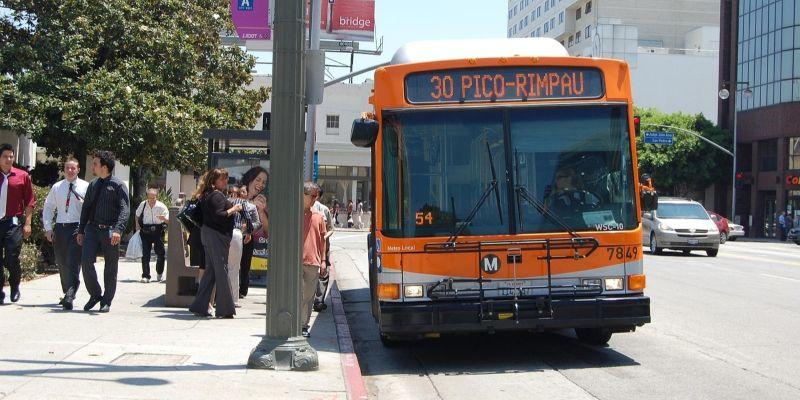
Los Angeles has a reputation. Big roads, endless traffic, and everyone behind a wheel. Yet another LA is moving right under the noise. The bus. It runs through beach towns, dense blocks, and long boulevards where parking is a daily fight. It also connects to trains, which turns one ride into a whole web of options.
If you want to explore without circling for a spot or paying for rides nonstop, buses can change the game. You just need a few key habits, plus the right tools on your phone. Once that clicks, the city starts to feel smaller. And you start to feel in control.
Start With The Right Map, Not The Right Attitude
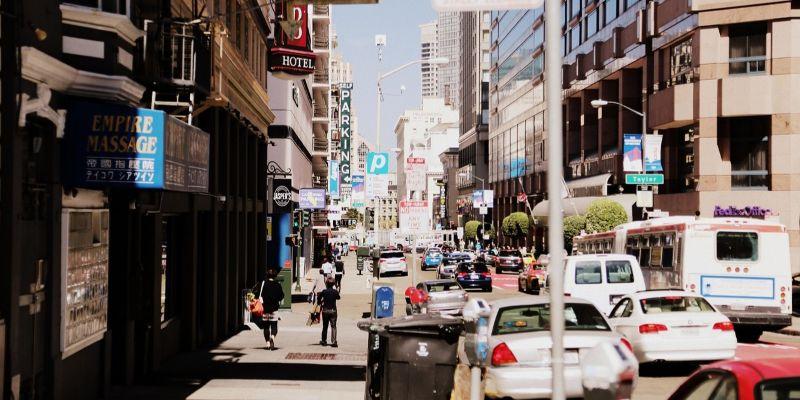
Picture your first stop in LA. Sun in your eyes. Cars rushing past. A sign with a few route numbers that mean nothing yet. That moment feels messy. It gets calm fast once you stop guessing and start tracking the bus like you track a food delivery.
LA has more than one bus system. Metro covers huge stretches of the county. Many cities run their own lines too, like Santa Monica or Culver City. The key is to check the agency name on the stop sign, then match it in your route search.
Use a live map before you walk out the door. Google Maps works. The Transit app works too. Check the arrival time, then look at the direction label. One wrong direction turns a ten-minute ride into a long loop. One quick check fixes that.
TAP Card First, Headaches Later
Cash sounds easy until you try it on a moving bus. You dig for bills. The driver waits. People line up behind you. Your stress spikes. A TAP card skips that whole scene. You tap once and sit down.
A TAP card is the reusable fare card used across LA Metro. You can buy one at metro rail stations from the vending machines. You can also find them at many neighborhood shops that sell transit passes. Load money onto it, then reload when you run low.
Keep your card in the same pocket every time. Put it in a slim wallet slot if you carry one. Tap when you board, then step aside. That tiny routine saves time on every ride. It also makes transfers feel smoother later.
The Two Bus Types You’ll Actually Use
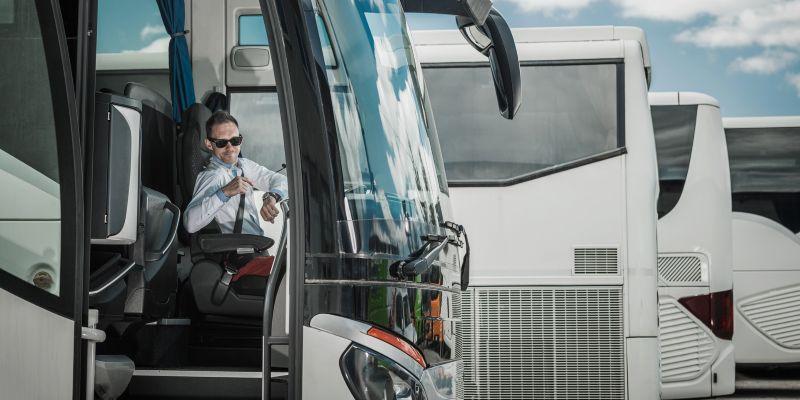
In LA, you will meet two main bus styles. The first is the local bus. It stops a lot. It works great for short trips within one area. It also helps when you need a stop close to your exact block.
The second is a faster route with fewer stops. You might see words like "rapid," "express," or "limited" on the schedule. These buses hit the big cross streets and key hubs. They move more like a shortcut than a stroll.
Pick local buses for errands and short hops. Pick limited stop routes when distance matters. Think of a long ride on Wilshire, Ventura, or Sunset. A faster bus can cut out dozens of stop signs. Your trip feels lighter even when traffic stays heavy.
Reading Bus Stops Without Feeling Dumb
A bus stop in LA can look bare at first. A pole. A small sign. Maybe an ad. The useful clues are right there, though. Look for the route numbers, then the tiny arrow or wording that shows which direction the bus is heading.
Next, scan for the agency name. Metro stops often say Metro on the sign. City systems usually show their own logo. That matters because the same street can have different buses that do not share the same rules, routes, or alerts.
Posted schedules help, but they do not tell the full story. Traffic, signals, and detours change things fast. Treat the schedule like a rough window. Trust the live arrival time on your phone for the real call, especially during busy hours.
Transfers That Feel Smooth, Not Stressful
A good transfer starts before you get off the first bus. While you ride, pull up the next line on your phone and check where it stops. Watch the map as you approach. That way you step off with a plan instead of spinning in place.
Give yourself a buffer. Ten minutes can save you from a missed connection when one bus runs late. If the next stop is a block away, walk with purpose and keep the map open. Big intersections in LA can trick you into thinking you are closer than you are.
The classic transfer mistake is standing on the wrong side of the street. Look at the direction of traffic and the direction label in the app. If your next bus should head west, you want the stop where buses go west. One careful glance saves a full backtrack.
Timing Is Everything In A City This Big
LA traffic has a mood. Morning rush builds early. The evening rush can stretch for hours. When streets clog, buses slow down too. A trip that feels quick at noon can feel twice as long at 5 p.m., even on the same route.
Late nights bring a different problem. Some lines run less often, so a missed bus can mean a long wait. Weekends can also shift the schedule, with fewer buses early in the morning and bigger gaps on quieter routes.
Pick your departure time with intent. Check the live arrival, then check the next two arrivals too. If the first one is crowded or delayed, you already know your backup. That small habit keeps you moving without feeling trapped by the clock.
Safer, Calmer Rides With A Few Simple Habits
Most rides feel normal and quiet, but comfort comes from small choices. If you can, sit where you feel aware of what’s around you. Near the front is often calmer. At night, stay closer to other riders instead of sitting alone in the back.
Keep your stuff close and easy to control. Zip your bag. Loop a strap around your arm or leg. If you use your phone, hold it with purpose. On crowded buses, your biggest risk is losing track of your own belongings.
Trust your gut about stops. If a corner feels tense, move to a brighter spot or wait near a business that is open. If you feel unsure, hop off at a busier intersection and reset. You are allowed to change plans mid-trip.
Your First Ride Starts This Week
Getting around LA by bus is not a stunt. It’s a skill. You learn it the same way you learn any city habit, one small win at a time. Pick one trip you already take often and try it on a calm day. Midday works well.
Start with a ride that has a clear payoff. A beach afternoon where parking is a headache. A museum visit with pricey garages. A stretch of boulevard where traffic crawls. Tap on, ride a few stops, then tap into your next move.
After that first ride, everything feels easier. You know how the stop looks. You know how the bus pulls in. You know the pace. LA stops being a maze. It turns into a set of routes you can actually use.