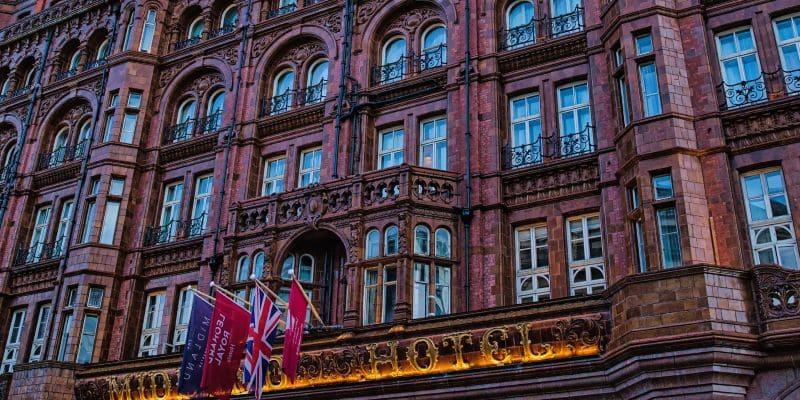
London can empty your wallet before you see Big Ben. Hotels do it fastest. One night in the wrong spot can cost as much as a West End ticket and a great dinner. The good news is that real value still exists. It hides in the streets just outside the tourist core.
This guide helps you pick affordable London hotels that sit near the places you came to see and still let you sleep well. You will learn which neighborhoods save time, which Tube stops keep you connected, and which comfort signs matter more than fancy lobbies. You will also learn how to book at the right moment so the price matches the room.
Five Budget Hotels In London Worth Booking
These picks keep costs down while staying close to key sights and Tube links.
- Wellington Hotel By Blue Orchid (Westminster)
A calm base near Covent Garden. Breakfast is included. - Premier Inn London City – Aldgate (Aldgate)
A comfortable stay near Tower Bridge. A strong pick for first-timers. - The Z Hotel Piccadilly (Piccadilly Circus Area)
Compact rooms in a prime spot. Easy walks to Piccadilly Circus and Leicester Square. - The Resident Victoria (Victoria)
A boutique feel near Buckingham Palace. Rooms include mini-kitchen extras like a fridge and microwave. - Ibis Budget London Heathrow Central (Heathrow Area)
A simple option near the airport. Best for early flights or late arrivals.
Start With The Map, Not The Star Rating
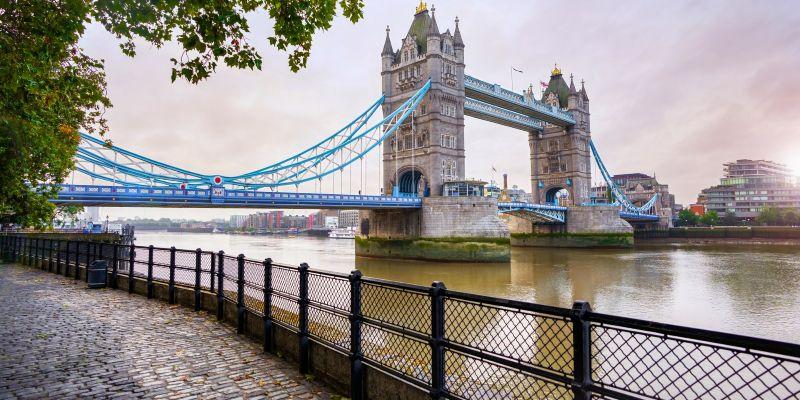
A three-star hotel in the right spot can beat a four-star one far away. London looks small on a screen. It feels huge at street level. Every extra mile turns into tube taps, crowded platforms, and time you cannot get back.
Think in circles, not addresses. Put pins on the places you plan to visit most. Use the British Museum, Covent Garden, and Westminster as anchors if it is your first trip. Then look for hotels that sit between those pins, not beyond them.
Price also lives in the gaps. A “cheap” room gets expensive when you add two long rides each day. Late nights hit harder, too. You will skip a show or rush dinner if the trip home feels like a mission.
Neighborhoods That Keep You Close To The Action
King’s Cross and St Pancras feel like a launchpad. Trains land here from airports and other cities. You get fast links across London. The area has new hotels and simple stays. You can reach the West End in minutes.
Paddington and Bayswater work well for classic sightseeing. Hyde Park sits close. Oxford Street is a short ride away. You also get the Elizabeth line, which cuts travel time through central London. Many hotels here are older, so you trade sparkle for a solid base.
Southwark and London Bridge bring you near the Thames. You can walk to Borough Market, Tate Modern, and the South Bank. Nights feel lively near the river. Prices often stay lower than the north side of the water, even when the views feel just as big.
The Tube Is Your Secret Weapon
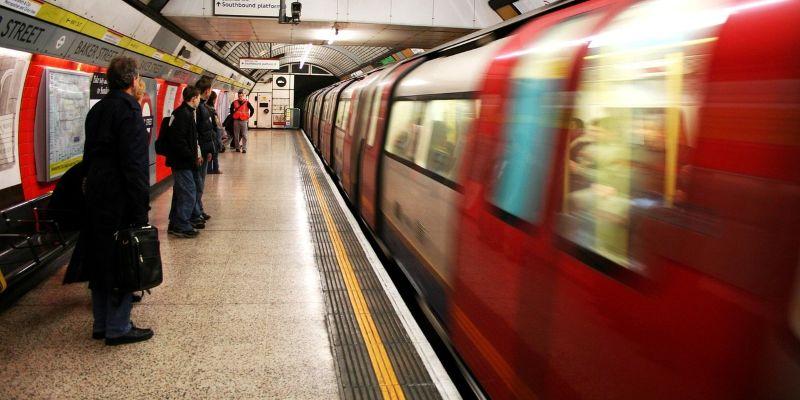
Central London hotels cost more because they offer a shortcut. The Tube gives you that shortcut for a few pounds. Pick a hotel near a strong line, not a famous postcode. Your day will feel smoother from the first ride.
Look for stations that connect without drama. Victoria line stops like Victoria or King’s Cross move fast. Jubilee Line stops like London Bridge reach Westminster with ease. The Elizabeth line helps with longer jumps across the city. Fewer changes mean fewer delays.
Distance to the station matters more than you think. A ten-minute walk in the rain feels long after a full day out. Aim for a hotel within a short stroll of the platform. Your feet will thank you at 11 p.m.
Comfort Clues You Can Spot In Minutes
Sleep is the whole point of a hotel. In London, noise can steal it fast. Scan reviews for street sound, thin walls, and late-night bars nearby. Look at the guest photos, too. Curtains that actually block light matter more than a fancy desk.
Bathrooms tell you a lot. Check if the shower is over a narrow tub or if water pressure is mentioned. If the room is “compact,” look for hints on where you can place a suitcase. A tiny room can still work if it feels clean and planned.
Heat and air matter more than people expect. London rooms can run warm in summer. Some budget places only have fans. In winter, weak heating feels rough after a wet day out. Reviews that mention temperature swings are a strong signal.
When To Book So Prices Stop Playing Games
London hotel prices move like a tide. Midweek often costs less in leisure areas, since weekend trips drive demand. Business-heavy spots can flip that pattern. Check on Tuesday night and Friday night at the same hotel. The gap can be big.
Events cause spikes that look random until you zoom out. Concert weekends, big football matches, and major shows can lift prices across whole zones. If your dates are set, book early. If you can shift by one or two days, test it and watch the total drop.
Season matters too. Late autumn and early winter can bring better rates outside holiday weeks. Spring and summer climb fast, since walking weather pulls crowds in. When you see a price you can live with, lock it in with free cancellation if possible.
Deals That Feel Real, Not Clickbait
The best deal is the one you can actually use. Start with the total cost, not the nightly price. Add taxes, breakfast, and any “service” fee before you compare. A room that looks higher can win once you count what you would buy anyway.
Member rates can be worth it, even for one trip. Many hotel groups and booking sites offer a small discount for a free account. Also, check the hotel’s own site. Some places bundle breakfast or late checkout there without raising the headline price.
Cancellation rules are part of the deal. A cheaper non-refundable rate can trap you if plans change. A flexible rate lets you rebook if prices fall later. That is a quiet way to save money without gambling on the calendar.
Common Booking Traps That Ruin A “Great Deal”
That low price can hide extra costs. Some hotels add steep fees for early check-in, late check-out, or luggage storage. Others charge for Wi-Fi in rooms. Scan the “fine print” section before you pay. It is the fastest way to avoid surprise totals.
Room type names can mislead. “Economy” sometimes means a basement room or a window that faces a wall. “Small double” can mean one narrow bed pushed against two walls. If you care about space, check the square meters and read comments about moving around the room.
Shared bathrooms can also catch people off guard. They can be fine for a quick overnight. They can feel stressed for a longer stay. The same goes for long walks. A hotel can claim “near the station” yet still be fifteen minutes away with stairs and busy roads.
Your London Stay Should Feel Easy
Affordable London hotels exist. The trick is choosing them with your eyes open. Start with the map, then pick a neighborhood that fits your plans. Let the Tube do the heavy lifting so you stay connected without paying central prices.
Next, protect your comfort. Focus on sleep, bathroom quality, and room setup. A clean, calm base changes how your whole trip feels. You wake up ready instead of drained.
Then book with intention. Compare total costs, watch for traps, and use flexible rates when they make sense. London is better when your hotel supports the fun, not the stress. Save on the room, spend on the city, and enjoy every step.