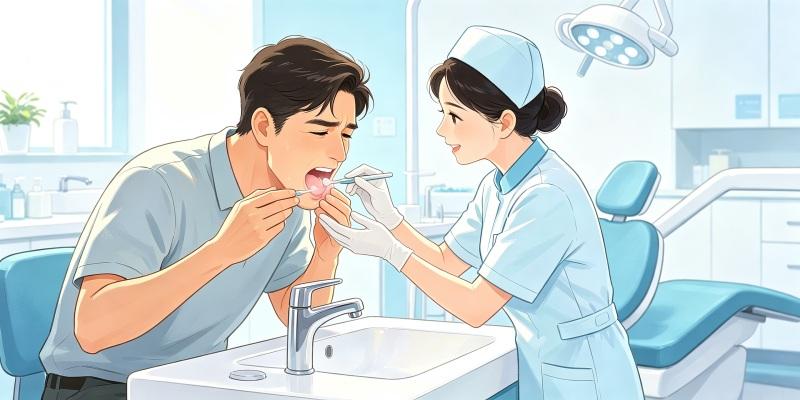
Figure out what kind of mouth cut it is
It usually starts with that sharp, salty taste—then you see a bright line of blood where your teeth meet your cheek or lip. A fresh bite tends to look like a ragged split or shallow flap, often right along the “bite line,” and it can feel worse than it looks because it moves every time you talk or chew. A scrape on the gums (from a chip edge, aggressive flossing, or a toothbrush slip) is more likely to appear as a thin, tender streak that burns when you touch it, especially near the gumline.
Location is a clue, but so is what keeps bothering it. If a sore spot sits exactly where a sharp tooth edge, bracket, or retainer rubs, it may keep reopening even if the cut was minor at first. And if what you’re seeing is more of a round, pale center with a red rim than a “cut,” it may feel like an injury but behave differently over the next few days.
Why mouth cuts look dramatic but heal fast
Sometimes the bleeding looks out of proportion—one quick bite and the sink suddenly seems too red. Mouth tissue is packed with tiny blood vessels close to the surface, so even a shallow split can leak fast, then stop once the edges press together. It can also look “wider” than it really is because the lining is soft and stretches when you pull your lip or cheek to check.
The other surprise is how quickly things can calm down. Saliva keeps the surface moist and brings protective factors that support repair, so many small cuts start feeling less raw over the next day or two. Chewing, talking, a tooth edge, or braces can keep scraping the same spot, making soreness peak again instead of fading. If the pattern shifts from “stingy but improving” to swelling, worsening pain, a bad taste, or new drainage, it’s a sign the irritation may be getting deeper rather than simply healing.
Stopping bleeding without irritating the tissue

Sometimes the bleeding has already slowed by the time you find a mirror, but the area still feels like it’s “seeping” because saliva keeps washing over it. The instinct is to poke at it with your tongue or keep pulling your lip down to check—both of which can restart a cut that was just starting to seal. A steadier approach is simple pressure: a clean piece of gauze or a folded paper towel held against the spot for several minutes without peeking. Mouth tissue often responds better to one firm, uninterrupted hold than to repeated wiping.
If the cut is on the cheek or lip, pressing it gently against the teeth from the outside can help the edges stay together, but it may be uncomfortable if there’s a sharp tooth edge or bracket underneath. Cold can also make the bleeding less dramatic—an ice chip held nearby or a cool rinse—yet vigorous swishing tends to do the opposite. If bleeding keeps returning with minimal movement, or won’t settle after consistent pressure, that’s when “minor” starts to feel less certain.
Cleaning the area gently while keeping pain manageable
The first time you try to brush near it, the cut can feel like it “wakes up” again—suddenly sharp, watery-eyed painful, even if it was settling down. That jolt often leads to a common misstep: avoiding the whole area for a day or two. In a mouth, that usually backfires. Plaque and food film build quickly along the gumline and around brackets or a rough tooth edge, and the cut ends up dealing with more irritation, not less.
What tends to go better is keeping contact light but consistent. A gentle rinse with plain water or warm salt water can lift debris without the scraping that makes the tissue throb, especially right after eating. Brushing can stay soft and controlled—more like “painting” around the sore than scrubbing across it—because repeated bristle friction is what reopens the surface. If the area keeps stinging for hours after basic cleaning, that’s a hint something is still rubbing or the cut is being stressed, not just “sensitive.”
Foods and habits that quietly delay healing
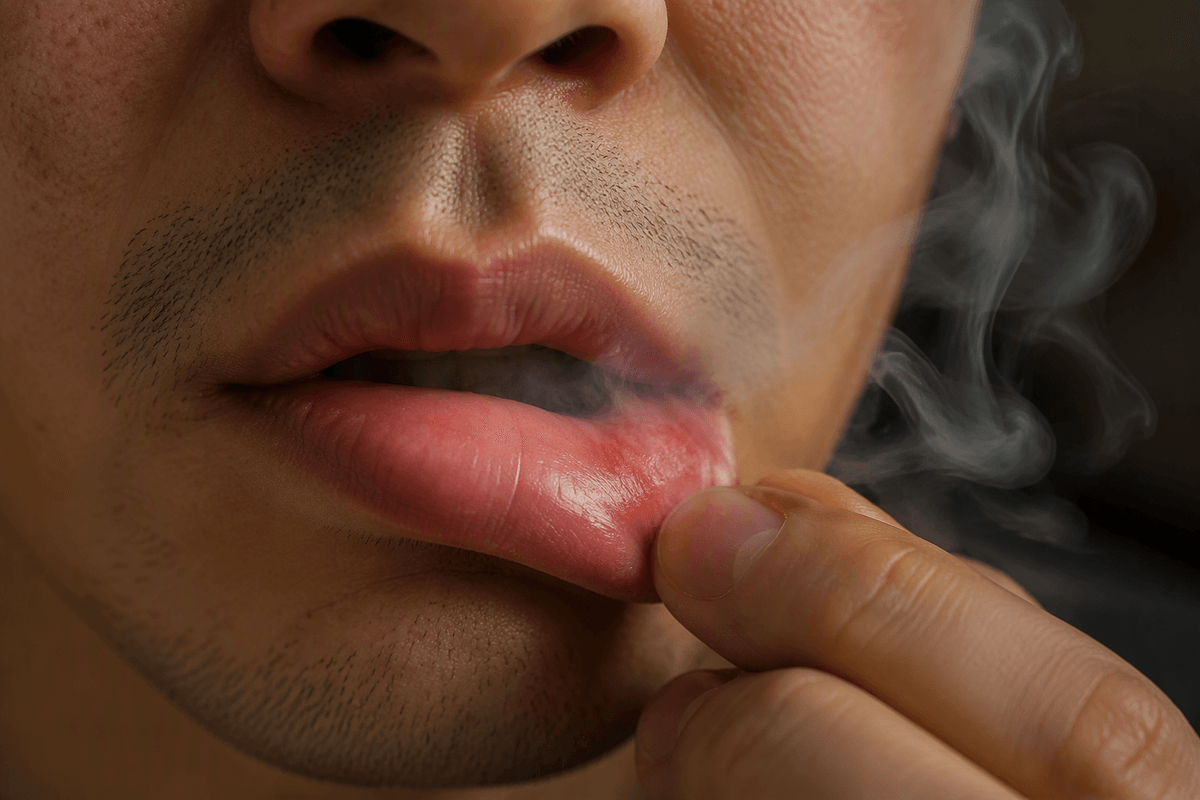
The giveaway often shows up at the next meal: one bite of something tart or crunchy and the sore feels “new” again, even though it looked calmer an hour ago. Acidic foods and drinks (citrus, tomatoes, vinegar, soda, wine) can make the surface sting and stay inflamed longer, while salty snacks and rough edges (chips, crusty bread, nuts) can snag the healing tissue like sandpaper. Spicy foods don’t usually “damage” a cut, but they can keep it feeling hot and reactive, which makes it easy to misread normal healing as something worsening.
Some habits do the same thing more quietly. Chewing on the injured side, testing it with your tongue, or absentmindedly biting the same spot can reopen a thin seal over and over. Smoking or vaping may leave the area drier and more irritated, and alcohol-based mouth rinses can add a sharp burn that lingers. If the soreness keeps resetting after certain meals or routines, it’s often friction and irritation—not a mystery infection—keeping the clock from moving forward.
The surprise trap: antiseptic products that sting
The confusing part is when the cut looks smaller, yet a rinse makes it feel like you just reopened it. That intense sting can happen with “antiseptic” products that are great for skin but harsh on raw mouth tissue—especially alcohol-based mouthwashes and strong peroxide rinses. The burn doesn’t necessarily mean the cut is “infected”; it often means the surface is exposed and the product is irritating nerve-rich lining that’s already inflamed.
In some situations, the sting becomes its own problem: you swish harder to “kill germs,” then the tissue dries out, swells a little, and feels more fragile the next time you eat or brush. It’s also easy to overdo numbing gels, which can make you chew without noticing you’re rubbing the same spot again. If a product consistently makes the area throb for a long time afterward, that’s a sign it may be slowing comfort more than helping the usual healing pattern.
When a mouth cut needs dental or medical help
The moment it stops feeling like a “stingy nuisance” and starts feeling unpredictable is usually when people get uneasy—like the cut throbs at rest, or the swelling looks a little fuller each time you check. If bleeding keeps restarting with gentle movement, won’t settle after steady pressure, or the split looks deep or gaping, it’s reasonable to get dental or medical eyes on it. The same goes for a cut caused by a sharp tooth edge, broken filling, or braces wire that keeps catching: even a small wound can’t calm down if it’s being re-sliced all day.
Over the next few days, watch for a drift in the wrong direction: increasing facial or gum swelling, worsening pain instead of a slow fade, a bad taste or new drainage, fever, or tender lumps in the neck. Trouble opening your mouth, swallowing, breathing, or numbness around the area are also not “wait it out” signals. Sometimes the most useful clue is simple: it’s been about a week, you’ve avoided obvious irritants, and it still isn’t reliably improving.