Why diagnostic devices feel definitive, but rarely are
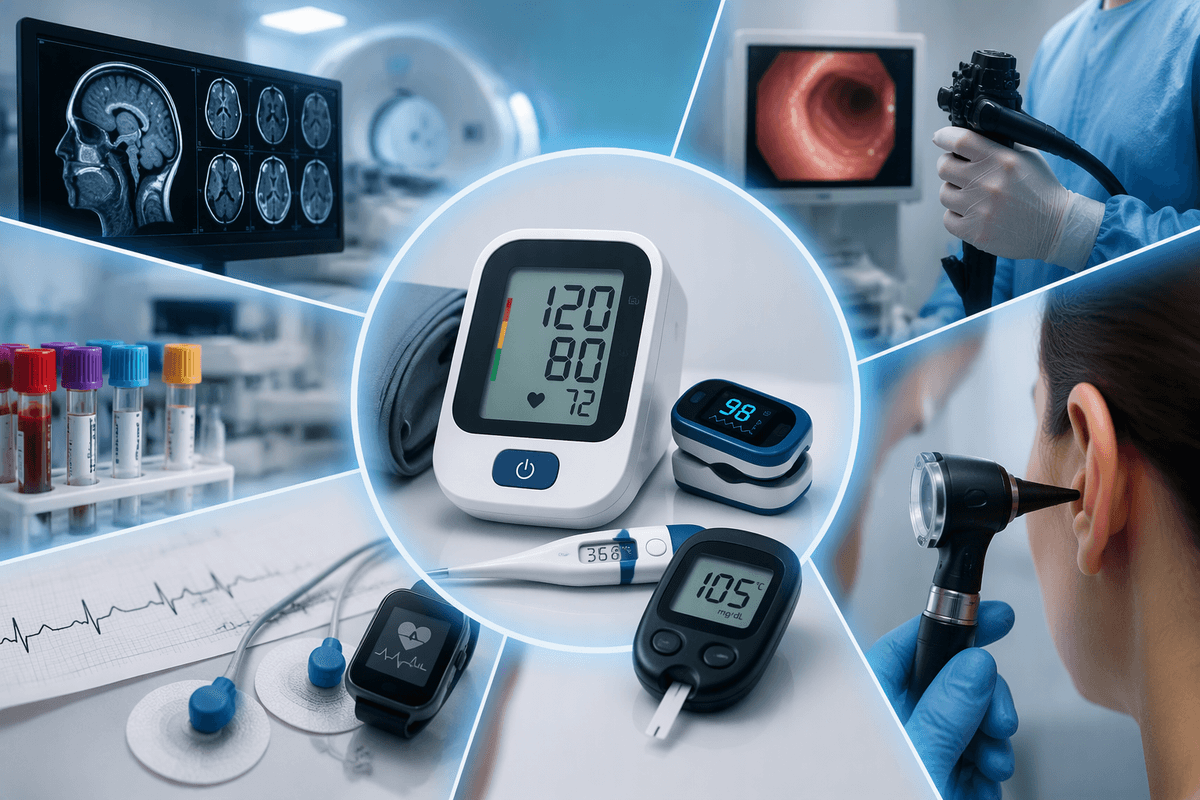
The number on the screen can land with a thud—120/80, 98%, 105 mg/dL—clean, tidy, and oddly final. In the room with you, though, the body is rarely that tidy. A blood pressure cuff squeezes differently if your arm is unsupported or the cuff runs small. A finger pulse oximeter may drift when your hands are cold or you keep talking. A home glucose meter can read a little differently depending on the strip lot, what’s on your skin, or how quickly the drop forms. Even a thermometer can swing with recent hot coffee or mouth breathing. A bathroom scale is famously sensitive to time of day and hydration.
Devices feel definitive because they convert something messy into a single figure. That’s useful—but it also invites a common misunderstanding: treating one reading as a verdict. In practice, the more reliable “signal” usually comes from repeats taken the same way, and from noticing when the setup changes just enough to make a normal day look like a sudden shift.
Imaging systems that turn anatomy into visual evidence
It often starts with the printout in your hand: a grainy gray image, a bright white line, a circled spot, and the uneasy feeling that you’re looking at the truth. Imaging can feel more concrete than a blood pressure number because you can “see” something—an ultrasound of a gallbladder, a chest X-ray shadow, a CT slice, an MRI view, a mammogram. But what you’re really seeing is anatomy translated through a machine’s settings and your body’s position, then filtered again through how the image is captured.
Small practical details can shift what shows up. A deep breath versus a shallow one changes the chest on X-ray; a slightly rotated shoulder can make joints look uneven; bowel gas can hide parts of an ultrasound; motion blurs CT and MRI in ways that can mimic or obscure findings. The fluid, inflammation, and congestion can look different week to week. That’s why imaging tends to work best as visual context, not a standalone verdict, especially when symptoms and follow-up don’t line up neatly.
Lab analyzers and in‑vitro tests for biomarkers
You notice it when the portal updates: a column of lab values lined up like grades, some flagged in red, and suddenly last night’s dinner feels like it’s been “caught.” In-vitro tests—blood, urine, sometimes saliva—don’t measure your body directly in the moment so much as they measure what’s in a sample that had to be collected, stored, and processed. That small distance is where the wobble can sneak in, even when the analyzer itself is excellent.
A lipid panel can look different after a big meal or a recent illness; a glucose or A1C result can be pulled slightly by timing, hydration, or recent blood loss; kidney markers like creatinine may shift with heavy exercise or supplements; thyroid tests can move with changes in dosing schedule, biotin use, or when the draw happens; inflammatory markers can rise with a minor infection you barely noticed. One off result isn’t useless—but it often becomes meaningful only when the context is steady and the pattern repeats.
Vital-sign monitors that translate body signals to numbers
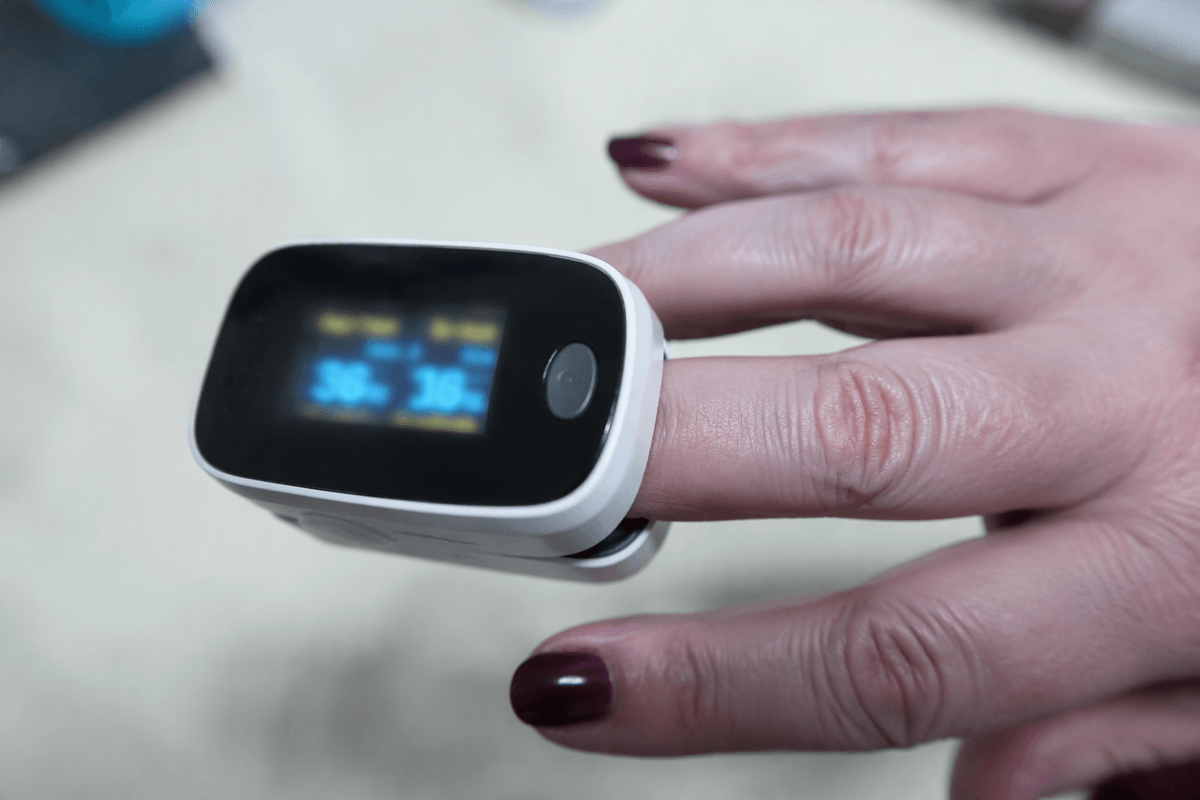
The first clue that the number is a “translation” is how quickly it changes when you shift in the chair. A blood pressure cuff is reading pressure through the wall of the arm; crossed legs, a tense jaw, a cuff that rides up, or an arm held below heart level can make an ordinary day look oddly high. A pulse oximeter is trying to detect oxygen saturation through blood flow in a fingertip, so cold hands, nail polish, bright light, or even a little motion can nudge the display. A thermometer is measuring a specific site—mouth, ear, forehead—so recent drinking, mouth breathing, or a sweaty forehead can produce a number that feels more dramatic than you feel.
Home glucose meters add another layer: they estimate glucose from a small capillary drop, which can drift with strip storage, residue on skin, or squeezing the finger to “get enough.” Daily scales do the same with weight—responding to fluid shifts, salt, bowel habits, and time of day—so a one-day jump may be more about water than anything you “did wrong.”
Electrical signal recorders that capture rhythm patterns
The sticker tug of an electrode is often the first surprise—then the line on the screen jitters even though you feel still. Devices like EKG/ECG machines and wearable patches aren’t “reading your heart” in a direct, camera-like way; they’re picking up tiny electrical signals through skin contact and then turning them into a rhythm trace. That trace can feel like proof, especially when a report labels beats as “extra” or “irregular,” but the recording is sensitive to the very ordinary messiness of bodies.
Dry skin, lotion, chest hair, sweat, and a partially lifted lead can all add noise that looks dramatic on paper. A deep breath, a cough, talking, or shifting on the exam table can briefly distort the baseline. With longer monitors—Holter, event recorders, smartwatches—the limitation is consistency: data gaps happen when sensors lose contact or when motion gets interpreted as a pulse. Over days, it’s the repeated pattern during similar moments that tends to matter more than one odd-looking strip.
Scopes and camera-based tools for direct internal viewing

The oddest part is often how normal you feel while a camera is doing something that sounds dramatic. A scope exam can leave you thinking, “They looked right at it, so that must be the full story.” Tools like otoscopes in the ear, nasal endoscopes, laryngoscopes, cystoscopes, and colonoscopes do offer direct viewing—but it’s still a view through lighting, angle, distance, and whatever your body is doing in that moment.
A little swelling, mucus, or a tiny smear of blood can make a surface look angrier than it is; dryness and bright light can make tissue look pale; a gag, cough, or cramp can limit how long the camera stays steady on one spot. The leftover stool can hide colon lining; earwax can block the eardrum; a decongestant used “just in case” can change how the nose looks. Photos and biopsies help, but even then, a single look can miss changes that only show up on another day.
What makes results shift: context, technique, and follow-up
Sometimes the “trend” you’re watching breaks for a boring reason: you used the other arm, sat on a soft couch, or took the reading right after climbing stairs. That’s true across the common devices you’ve seen—cuffs, oximeters, glucose meters, thermometers, and scales—because they’re all translating a moment into a number. Small shifts in fit, placement, skin temperature, strip storage, or even how still you are can be enough to turn a normal day into a “spike,” or flatten a real change into something that looks stable.
The reading looks just as confident when the cuff is slightly low, when your finger is cold, or when you’ve just had coffee. Over weeks, the most useful comparisons usually come from repeats taken under similar conditions, plus a note of what was different when a result didn’t match how you felt. Follow-up isn’t about chasing perfection—it’s about confirming which shifts repeat, and which ones were setup noise.